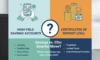
Imagine waking up one morning, sipping your coffee, and logging into your bank account only to find it frozen. A chill runs down your spine – can debt collectors really freeze my bank account?
The Power of Debt Collectors
In the USA, debt collectors wield significant power when pursuing unpaid debts. They have the capability to take extreme measures such as freezing your bank account. However, they don’t just decide one fine day to freeze your account; there are legal procedures that must be followed.
How Does It Happen?
A debt collector first needs a court judgment against you. Post this, an application is made for a freezing order which if granted by the court freezes your bank account. Your usa bank will then prevent any transactions until the issue is resolved.
Is Every Debt Treated The Same Way?
No two debts are alike. For instance, unsecured debts like credit card bills or medical bills need a lawsuit before any action can be taken while secured debts like mortgages offer the creditor immediate rights over the collateral property.

- Credit Card Bills: Lawsuit required for freezing accounts
- Mortgage Payments: Immediate rights over collateral
- Student Loans: Special rules applicable
| Debt Type | Action Required | Consequence |
|---|---|---|
| Credit Card Bills | Lawsuit needed | Freezing of Accounts |
| Mortgage Payments | No lawsuit needed | Rights over Property |
| Student Loans | Varies | Special Rules Applicable |
Possible Repercussions and What You Can Do About Them
If your account gets frozen, it can lead to a cascade of financial problems like bounced checks, late payment fees and credit score damage. However, don’t let panic cloud your judgement. There are steps you can take to protect yourself.
Know Your Rights
The Fair Debt Collection Practices Act (FDCPA) lays out rules that debt collectors must follow when collecting debts. Familiarize yourself with these rules to protect your rights.
Seek Legal Help
Getting professional help from a lawyer can make all the difference in navigating this tough terrain. They understand the nuances of the law and can guide you on how best to handle your situation.
- Consult with a Lawyer: They know the ins and outs of the legal world and can provide invaluable advice.
- Negotiate with the Debt Collector: Sometimes, they might be willing to work out a payment plan or even reduce the total amount owed.
- Contact Your Bank: In some cases, your bank may be able to help by providing resources or guidance.
Frequently Asked Questions
Can my bank account be frozen without notice?
What if I have joint accounts?
Can I still use my debit card if my account is frozen?
What types of debts can lead to my account being frozen?
Can I negotiate with the debt collector?
In conclusion, finding your bank account frozen due to actions by a debt collector can be a terrifying experience. However, armed with the right knowledge and professional help, you can navigate through this situation.