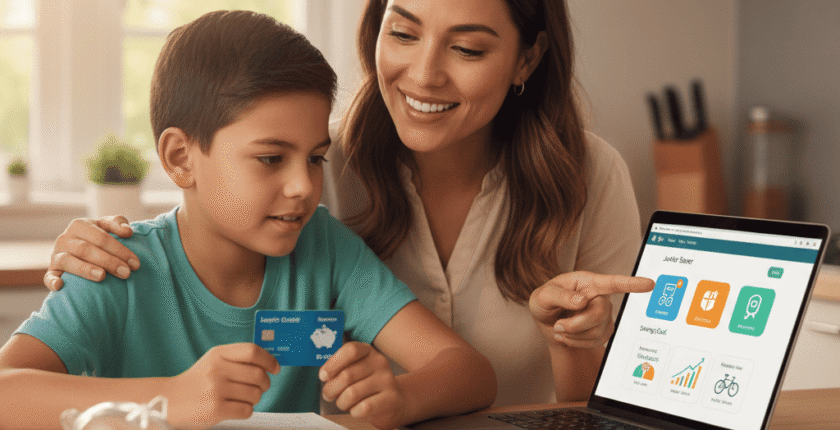
When we think of a bank account, we often picture an adult balancing a checkbook or paying bills online. But what about kids? Can minors have their own bank accounts in the USA? The answer is yes! Banks in America provide certain types of accounts for minors, but there are restrictions and requirements to consider.
Types of Bank Accounts Available for Minors
In the banking world, age does matter. When it comes to minors opening an account, banks generally offer two types of accounts – joint accounts and custodial accounts.
- Joint Accounts: This type of account is opened jointly by a minor and a parent or guardian. Both parties have access to the account. However, only the adult has full legal authority over it.
- Custodial Accounts: These are setup by an adult on behalf of a minor and managed until he/she reaches adulthood (18 or 21 years old depending on state laws). At that point, full control is transferred to the young adult.
Differences Between Joint and Custodial Accounts
| Feature | Joint Account | Custodial Account |
|---|---|---|
| Account Control | Both parties but only adult has legal authority | Adult until child reaches adulthood |
| Access To Funds | Yes by both parties | Only by the custodian |
| Ownership Transfer | Not applicable | Yes when minor becomes an adult |
As you can see from above table comparison between joint and custodial accounts at USA banks clearly shows their differences. Yet both options allow minors to have some form of a bank account which leads us to benefits topic.
The Benefits Of Having A Bank Account As A Minor
Did you ever wonder why it could be beneficial for a minor to have a bank account? Let’s dive into the reasons.

- Financial Education: Having a bank account at an early age is a great way to learn about saving, budgeting, and understanding interest rates.
- Savings: Whether it’s pocket money or birthday cash gifts, having somewhere safe to store money can lead to substantial savings over time.
- Fiscal Responsibility: Managing an account helps minors understand the value of money and promotes fiscal responsibility.
The Drawbacks Of Minor Bank Accounts
While there are plenty of perks, it’s important to acknowledge that there are also drawbacks associated with minor accounts. One potential concern is misuse of funds by either the minor or the adult co-owner. Additionally, custodial accounts can affect college financial aid eligibility since they are considered assets of the student.
Navigating The Banking World As A Minor
Navigating through banking regulations and requirements as a minor can seem overwhelming at first. However, with guidance from adults and hands-on experience with personal finance management, minors can successfully manage their own bank accounts while acquiring necessary life skills along the way.
Frequently Asked Questions About Minor Bank Accounts
Can any minor open a bank account?
What age does someone stop being considered a minor?
Can minors withdraw money from their bank account?
Does money in a minor's bank account earn interest?
Are there fees for minors to have a bank account?
So, can a minor have a bank account? Yes indeed! With the proper supervision and guidance, it can be a fantastic way for young people to learn about financial responsibility while saving for their future.