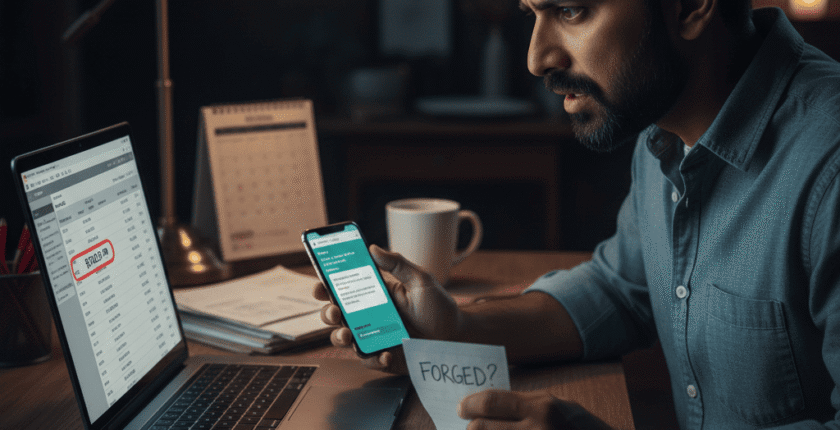
Imagine you’re leafing through your monthly bank statements when something catches your eye. A transaction that you don’t recall making, an unfamiliar name perhaps? You might find yourself asking, can bank statements be edited? Let’s journey into this topic, but before we start, let’s remember one important thing: honesty is always the best policy.
Understanding Bank Statements
Bank statements are official documents provided by banks to their account holders, typically on a monthly basis. They detail all transactions made within a given period – deposits, withdrawals, payments, fees and more. Since they come directly from the bank and are used for various legal and financial purposes such as applying for a mortgage or filing taxes in the USA and other countries, tampering with them is highly discouraged and may even be considered fraudulent.
The Legality of Editing Bank Statements
Let’s put it plainly: editing bank statements is illegal. Any attempts to change information on these documents can lead to severe consequences including hefty fines or even imprisonment. It’s not worth the risk!
Why Would Anyone Want To Edit Them?
The question now arises as to why anyone would want to edit their bank statement in the first place. The reasons vary: masking overspending tendencies while applying for a loan; hiding financial issues from significant others; or trying to commit fraud against institutions like banks or insurance companies. Remember though, while these examples illustrate real-life situations where people have attempted such edits, they are all risky endeavors that can lead to serious repercussions.

- Banks: Banks use these documents to assess borrowers’ ability to repay loans. Manipulated statements could deceive lenders into approving loans that borrowers cannot afford.
- Insurance Companies: Fraudsters sometimes alter bank statements when making insurance claims in an attempt to receive higher payouts.
Alternatives To Editing Bank Statements
Since it’s clear that editing bank statements is both illegal and unethical, what are the alternatives? Transparency should be your guiding principle. If there’s an error on your statement, for example, contact your bank immediately. They have processes in place to investigate and correct errors.
Contacting Your Bank
- Identify the issue: Review your bank statement thoroughly and make a note of any discrepancies.
- Contact the bank: Reach out to your bank’s customer service department to report the issue.
- Follow their guidance: Your bank will guide you through their specific process to rectify the situation.
Your Rights as a Consumer
In the USA, consumers have rights under federal law that protect them from errors on their bank statements. If you notice any mistakes or unauthorized transactions, you can file a dispute with your bank. The key here is acting promptly – typically within 60 days after receiving the erroneous statement.
| USA Consumer Rights |
|---|
| Right To Dispute: You can file a complaint if you identify errors on your statement. |
| Right To Fair Investigation: Banks must respond promptly and conduct an unbiased investigation. |
Frequently Asked Questions (FAQs)
Can I edit my own bank statements?
What should I do if I spot an error on my bank statement?
Can banks make mistakes on statements?
What happens if I do not report an error on my bank statement within 60 days?
Is there a way to hide transactions from appearing on my bank statement?
In conclusion, editing a bank statement is a road that leads nowhere good. Instead, regular review of your own financial habits and open communication with your bank about any discrepancies is always the best course of action.